Joomla Slide Menu by DART Creations
 
Bijol Islands / Tanji Rives
Image Bijol Islands and Tanji Rives Bird Reserve

Personne Ressource :
Institution Responsable :


Situation géographique :
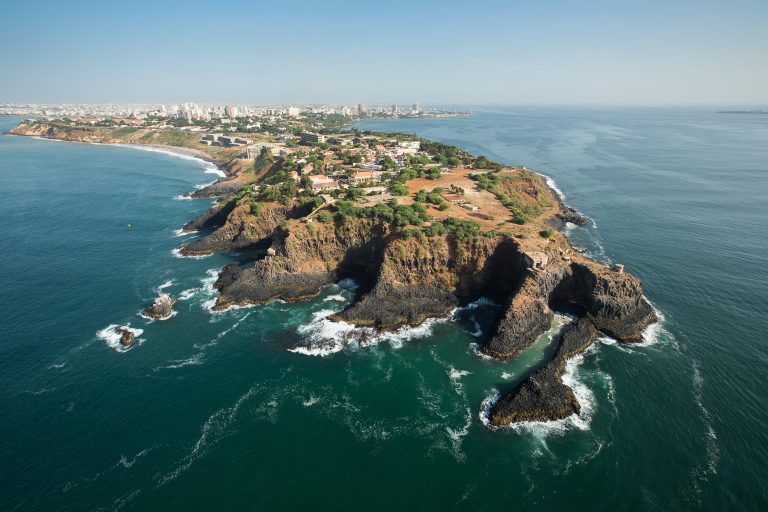
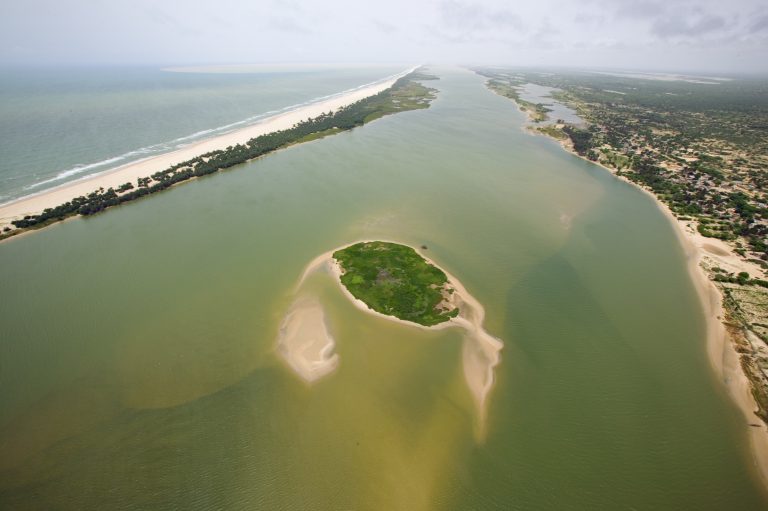
Tanji River Bird Reserve and Bijol Island are situated along the Atlantic coast in the Western. Division Kombo North at longitude and latitude of 16°47’W and 13°23’N. It encompasses the Tanji River and its estuary, incorporating mangrove, dry woodland and coastal dune scrub woodland. It has a total area of 612 ha. Bijol Islands is the only offshore islands on the entire coastline of the Gambia.

Date de création (Loi, décret, arrêté de création) :
L.N. 15 OF 1993

Autorités de tutelle institutionnelle :
- Department of State for Fisheries, Natural Resources and Environment
- Department of Parks and Wildlife Management

Communautés humaines résidentes :
Four Villages, (Brufut, Madiana, Tanji and Ghana town) surrounds Tanji River and Karenti bird reserve. They use the park for various activities such as agriculture, fishing, gardening, firewood collection, honey collection and cultural practices.

Milieux naturels :
Bald cape is formed from a shallow reef of laterite rock which extends to the north west reappearing at the Bijol Islands. The cape is backed by a lagoon which runs south in to a broken chain as far as the Village of Tanji. The lagoon system has developed from a combination of the outflow of the Tanji River and longshore drift accumulating sand deposits. It is a dynamic system and significant changes can result from a single flood or storm. The cape and lagoons serve as feeding and roosting grounds for a large diversity of gulls, terns and waders.

Faune :
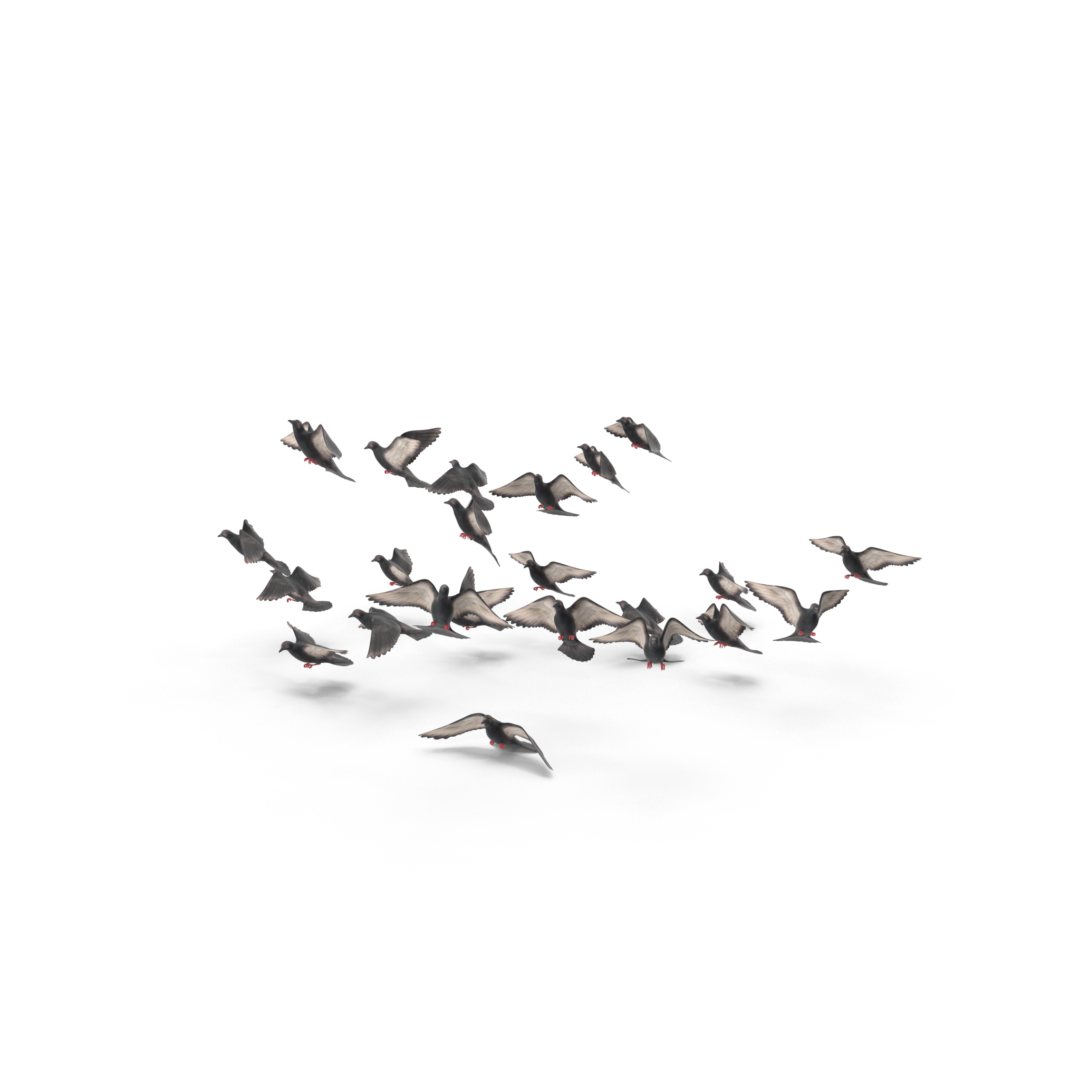
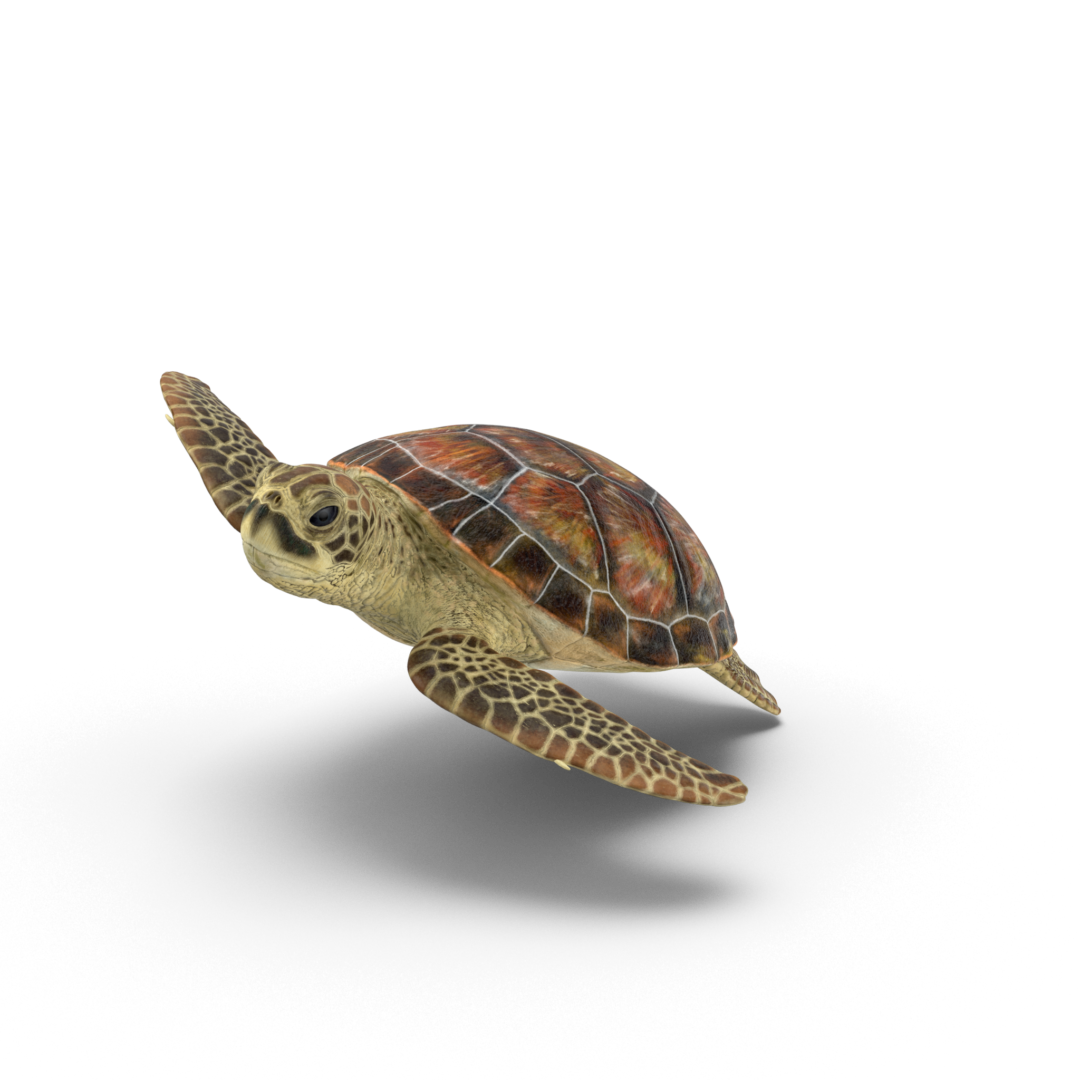
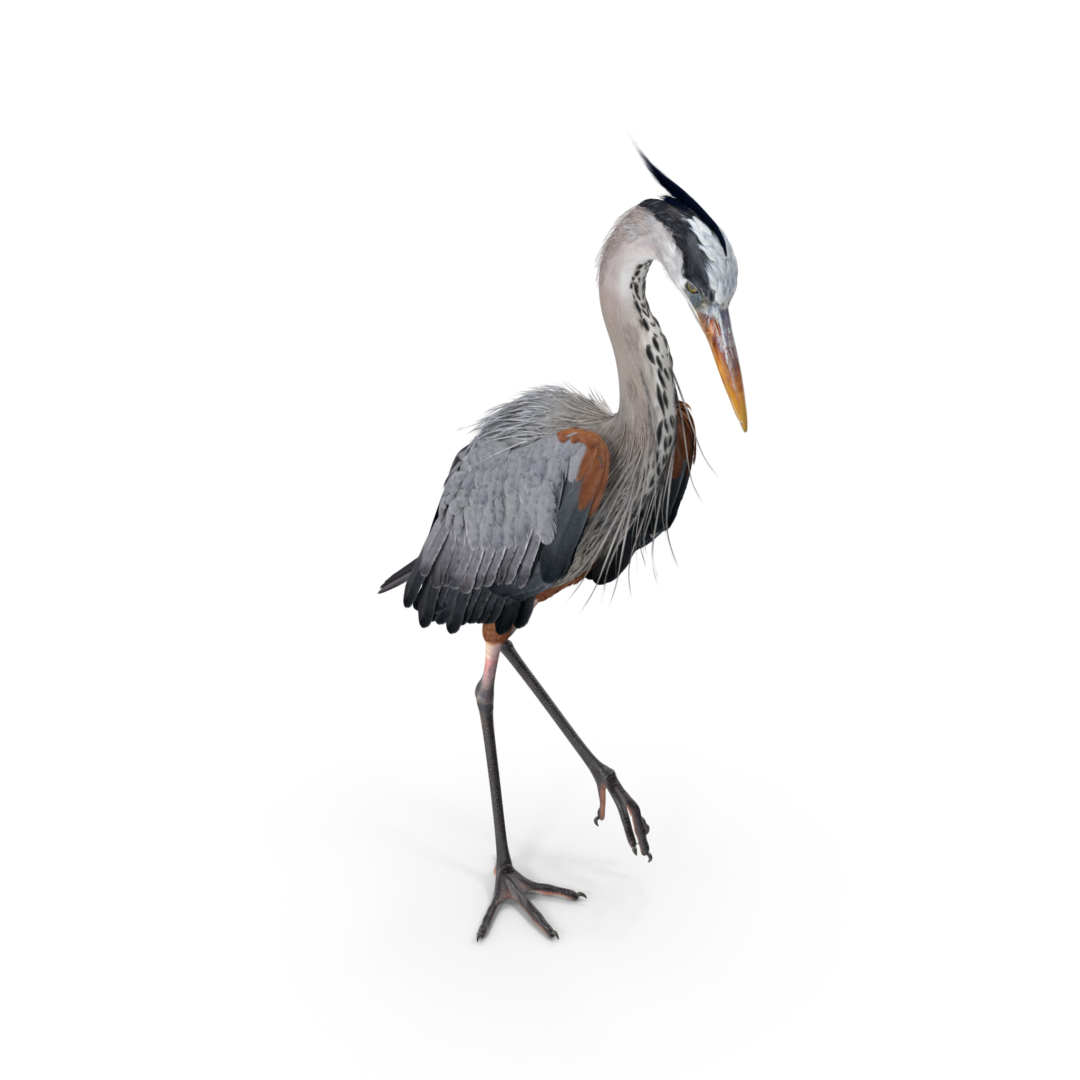
Bijol Island provide the only known breeding site in the country for Sterna caspia, Sterna maxima and gulls at the present time. The surrounding water are used by monk seals Monachus monachus, Atlantic Humpbacked Dolphins Souza teuszii, and turtles. The reserve has got diversity of mammals, primates and reptiles.

Flore :
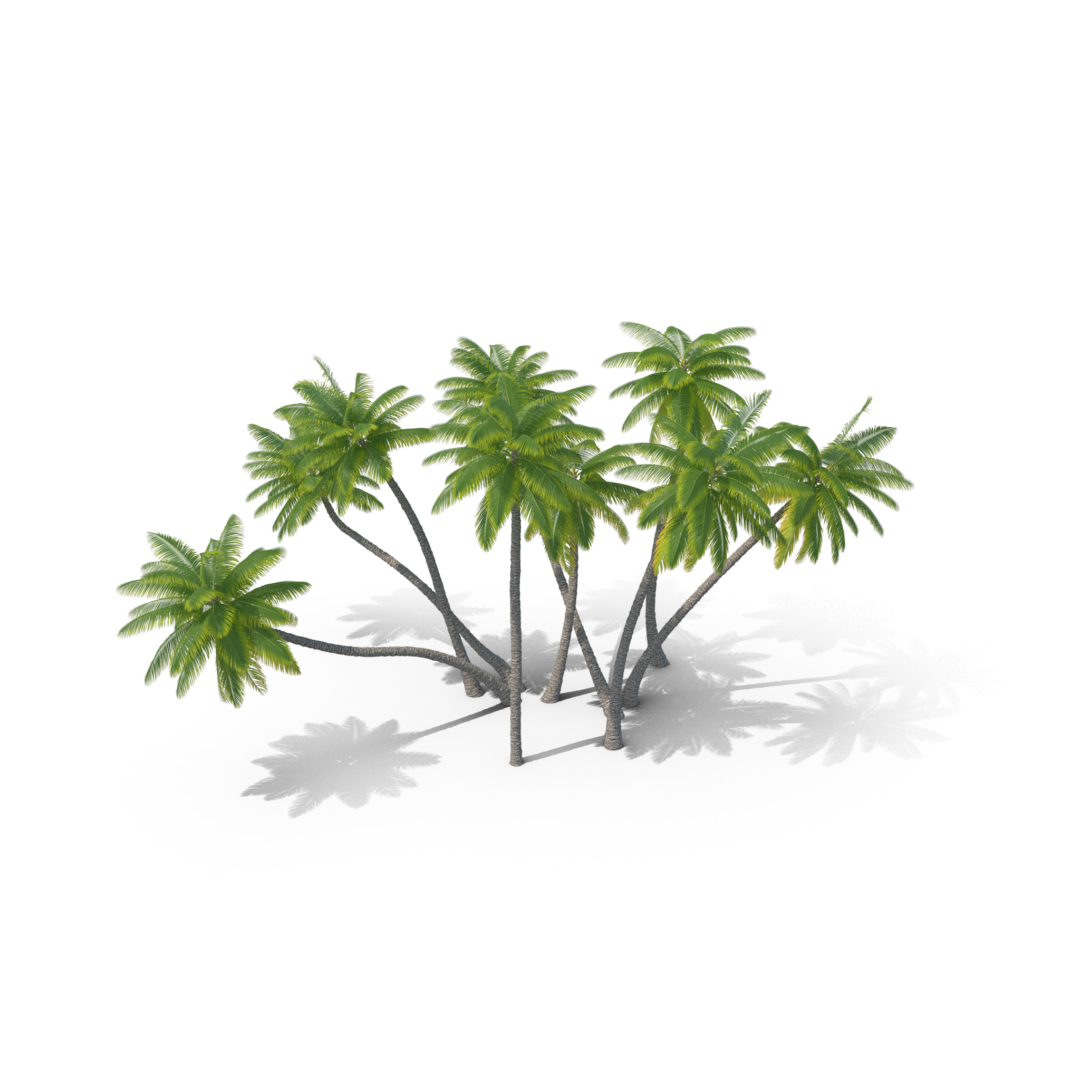
There is a wide variety of habitat types including marine, estuarine, fresh water, coastal scrub woodland and dry woodland savannah. The dominant species found are the ginger bread plum (Parinari macrophylla), the rhun palm (Borassus aethiopium) and the Baobab (Adansonia digitata).

Objectif principal de l’AMP :
Conservation of biodiversity of the area, involvement of local communities in the management of the area and the provision of additional / alternative sources of income.

Autre statut de l’AMP :
Site Ramsar (proposed)